
What Is Squeeze Tube Packaging?
Squeeze tube packaging is a flexible packaging solution designed for products that need to be dispensed by squeezing the tube. Squeeze tubes are widely used for creams, gels, ointments, pastes, lotions, toothpaste, sauces and other viscous or semi-viscous products.
A complete squeeze tube packaging process may include tube feeding, tube orientation, product filling, sealing, trimming, coding and labeling. Depending on the tube material and production requirements, different filling and sealing technologies can be selected.
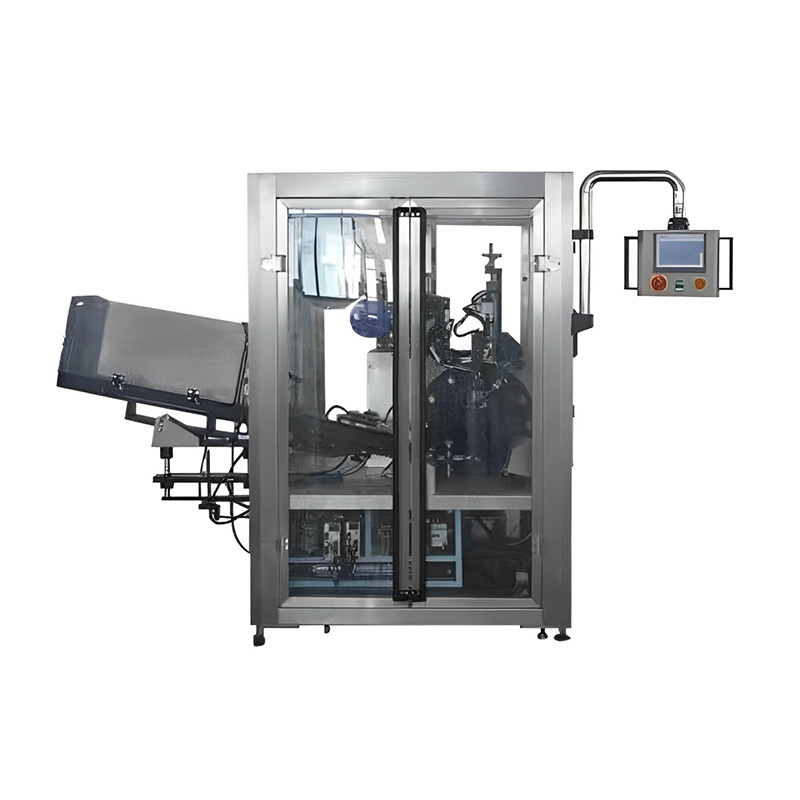
VKPAK provides squeeze tube packaging equipment for plastic, laminated and aluminum tubes, with solutions available for both semi-automatic and fully automatic production.


Tube Types
Squeeze Tube Packaging for Different Tube Materials
Plastic Tube Packaging
Plastic squeeze tubes are commonly used for cosmetics, personal care products, household chemicals and pharmaceutical products.
Typical products include:
Hand cream
Facial cleanser
Body lotion
Shampoo
Hair conditioner
Toothpaste
Pharmaceutical creams
Gels
Ointments
Plastic tubes can generally be sealed using hot air or ultrasonic sealing, depending on the tube construction and material.
Laminated Tube Packaging
Laminated tubes combine multiple material layers to provide flexibility, barrier properties and attractive printing.
They are commonly used for:
Toothpaste
Cosmetic creams
Personal care products
Pharmaceutical ointments
Food products
Household products
VKPAK provides laminated tube filling and sealing equipment using suitable heat or ultrasonic sealing technologies.
Aluminum Tube Packaging
Aluminum tubes are commonly used for pharmaceutical creams, ointments, adhesives, industrial products and some cosmetic products.
Unlike plastic tubes, aluminum tubes are generally sealed by folding and crimping the tube end.
Squeeze Tube Packaging Process
1. Tube Feeding
Empty squeeze tubes are loaded into the machine manually or automatically, depending on the production capacity and machine configuration.
2. Tube Orientation
The tubes are positioned correctly before filling. For tubes with printed graphics or specific orientation requirements, an automatic tube orientation system can be used.
3. Tube Filling
The filling system accurately doses the product into each tube. The appropriate filling method depends on the product viscosity, filling volume and formulation.
Common filling technologies include:
Piston filling
Servo piston filling
Peristaltic pump filling
Gear pump filling
Other customized filling systems
4. Tube Sealing
The filled tube is sealed according to its material:
Ultrasonic sealing
Hot air sealing
Heat sealing
Aluminum tube crimping/folding
5. Trimming
Excess material around the sealed tube end can be trimmed to create a clean and consistent appearance.
6. Coding
Optional coding systems can print:
Batch number
Lot number
Manufacturing date
Expiry date
Product code
7. Tube Labeling
For products that require self-adhesive labels instead of direct printing, a dedicated squeeze tube labeling machine can be integrated into the packaging process.